
MASH Moments of Safety
Empowering Healthcare: MASH Moments of Safety for Expert Workplace Insights

How to strengthen your near miss reporting system
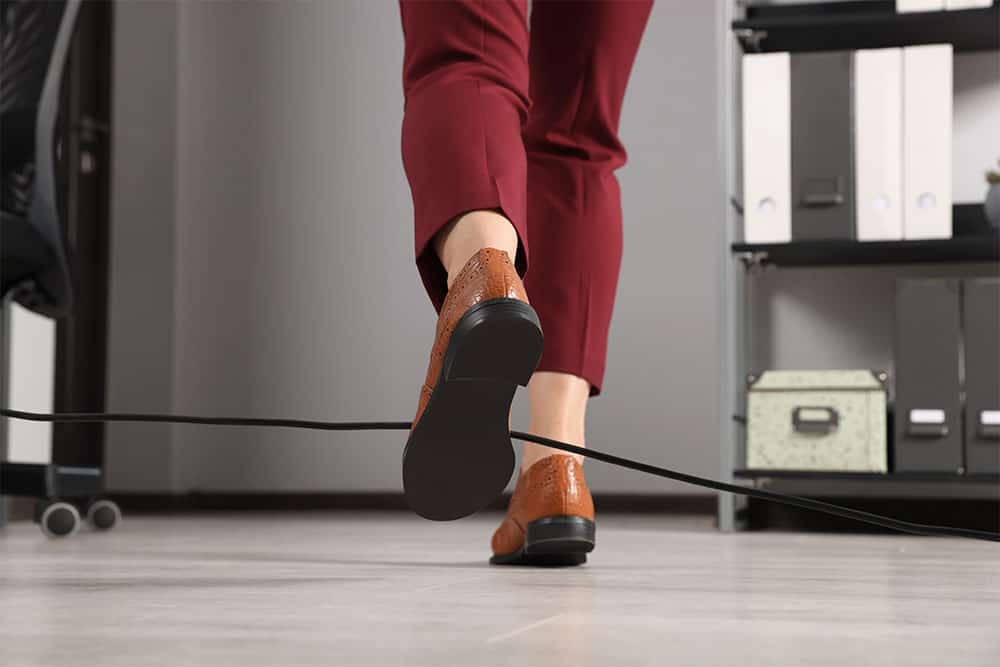
Near miss reporting is one of the most important tools we can use to prevent incidents from happening in the workplace. Near miss is an unplanned event that did not result in injury - but had the potential to if given a different set of circumstances. Near misses are warning signs that something in the safety and health management system needs attention. A near miss today could become a serious injury tomorrow if action is not taken. Reporting near misses will allow workplaces to identify where controls can be improved, identify trends, and strengthen safety culture.
There may be several reasons why near miss reporting systems are not functioning well in your workplace; it may be that the form is too long, it is not easily accessible for workers, or workers were never trained on how or why to report near misses when they occur.
To assess how the near miss reporting system is functioning, consider the following questions:
Do workers understand what a near miss is
?Workers may just not know what a near miss is and may not recognize what events should be reported.
A lack of near miss reporting may occur when there is a lack of understanding of what a near miss is, why it matters, or staff haven’t been provided with training on the importance of reporting.
Is there a standard near miss reporting system and do workers know how to access it? How complex is the near miss reporting system?
A complex or time-consuming system discourages reporting. Without training or reinforcement, staff will not value the importance of reporting at all, let alone near misses.
Are investigations conducted on near misses when reported to determine where the safety program can be improved? Are corrective actions implemented? Have workers seen evidence that reporting leads to positive changes in the workplace?
If staff are completing and submitting reports for near misses, but do not see anything done with what’s been reported, this will lead to staff “not seeing the point” in taking the time to report near misses.
Do workers feel psychologically safe to report? Do workers fear disciplinary action will be taken when reporting a near miss? Do they fear retaliation from other workers for submitting a report?
If staff fear “being targeted” or that they may face discipline for reporting incidents or near misses when they occur, a reduction in reports submitted will be evident.
Seeing changes to this system may take time but will largely benefit the workplace. Here are some things the workplace can do to improve this reporting system:
Establish a clear and accessible definition of a near miss.
Provide training that explains what constitutes a near miss and outlines when and how to report it.
Ensure the near miss reporting form is easy to locate and readily accessible to all workers.
Reinforce the importance of reporting injury near misses during safety huddles and department meetings.
Focus on what occurred, what could have occurred, and what measures can prevent a similar event in the future.
Promote a non-punitive reporting environment so workers feel safe reporting injuries and near misses.
Treat each near miss as an opportunity to strengthen safety practices through investigation and corrective action.
Follow up with workers who reported the near miss to communicate the actions being taken to address the concern.
One of the strongest indicators of a healthy safety culture is not the absence of near miss events – but the willingness of workers to report hazards and near misses openly.


Unit 3-1680 Notre Dame Avenue Winnipeg, MB R3H 1H6
hello@mashmb.ca
431-478-1494
© 2023 All rights reserved. Privacy Policy